

Dental Implants and prostheses


Dental implants
What is a dental implant?
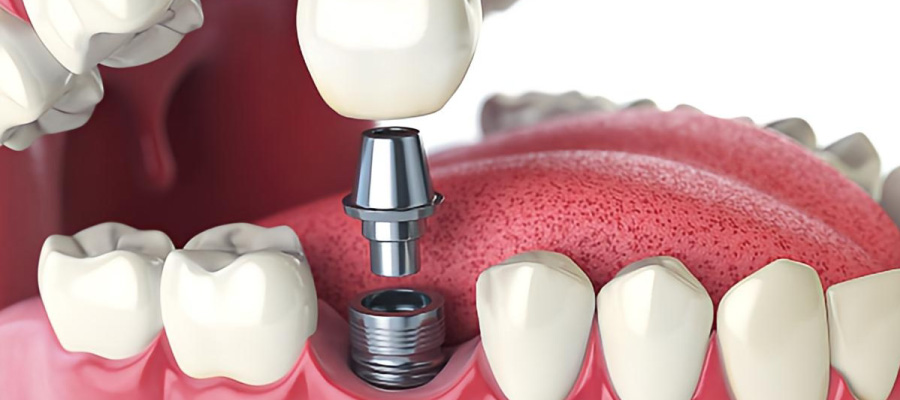
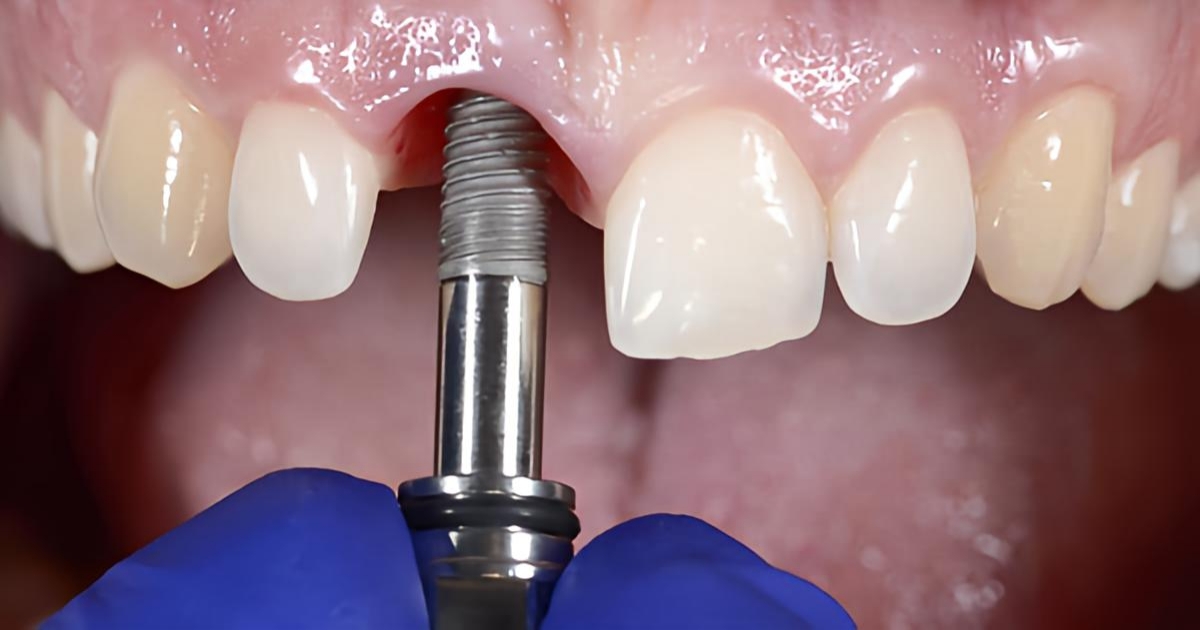
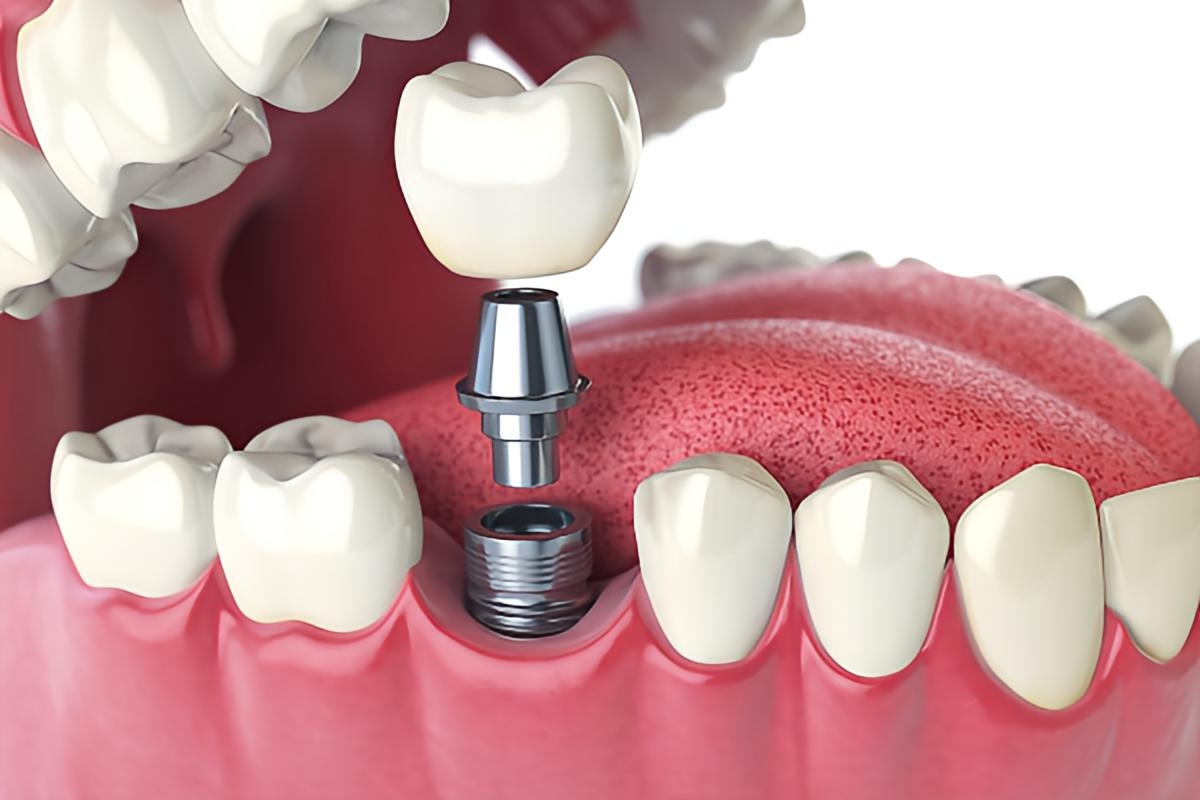
A dental implant is a metallic device made of grade 5 titanium, which is surgically located in the maxillary bone under the gum. The aim is to place a crown or prosthesis on it, that allows one or more missing teeth to be replaced both functionally and esthetically.
Individualized treatment
The placement of a dental implant is a 100% individualized process, in which a specific type of implant is selected for each patient according to their characteristics. To start an implant treatment, you must first take a tomography of the maxillary bone that allows the implantologist to know the dimensions and quality of the patient’s bone. With this information, the implant to be used will be selected and the need for a dental bone graft will be assessed. If it is evident that the patient has insufficient bone, a dental bone graft should be performed in order to provide good support for the implant. After the graft, it takes approximately 4 months for it to fully integrate into the maxillary bone after which placement of the implant can begin.
Cost of the procedure
It is very important to perform a face-to-face clinical assessment to define the treatment plan and the cost. Remember that you can request a FREE VIRTUAL EVALUATION.
The cost of the treatment will depend on the number of implants to be placed and whether it will be necessary to use dental bone grafting and/or additional procedures.
Remember that on top of an implant, you can add individual crowns or implant-supported prosthesis such as: fixed prosthesis, dental bridges, fixed dentures (in ceramic or acrylic), removable dentures, and more. The cost of the full arch prosthesis will depend on the type and material.
What types of implants and implant-supported prostheses exist?
- Crown on implant: individual prosthesis (of a single tooth) that is supported on an implant to replace a missing tooth.
- Fixed prosthesis or dental bridge placed on an implant: It is a bridge made up of more than one crown, which is supported on an implant that is integrated to the maxillary bone.
- Fixed ceramic overdenture: It is a full-arch dental prosthesis (replaces all the teeth of one or both arches) made of ceramic material, which is supported on 4, 6 or 8 implants in the maxilla.
- Acrylic fixed overdenture: This is a full-arch dental prosthesis (replaces all the teeth of one or both arches) made of acrylic material, which is supported on 4, 6 or 8 implants in the maxilla.
- Removable acrylic overdenture: It is a full-arch dental prosthesis indicated only for the lower jaw, which is attached to two implants by means of a security system or ball attachment, allowing it to be removable.
What are the advantages of using implants and implant-supported prostheses?
- The implants are made of 100% biocompatible material with the human body.
- The crowns and implant-supported prostheses have an excellent grip system that provides security when eating or talking.
- They present outstanding functionality since excellent chewing as well as optimal support and stability are achieved.
- Implant-supported prostheses are highly esthetic and natural in appearance because their color is customized to the patient’s gums and teeth.
- The results can last for life if all recommendations are followed.
- Perhaps the most important thing to consider is that implants functionally replace the root when a tooth has been lost. In the absence of a root, the bone loses strength and thickness, causing its deterioration and the movement of adjacent teeth.
Implant-supported prostheses
What is an implant-supported prosthesis?
An implant-supported prosthesis or prosthesis on implants are those fixed to the bone by means of dental implants. These implants allow the prosthesis to be stable and not move, providing comfort and security to the patient when eating or speaking.
What types of implants and implant-supported prostheses exist?
- Crown on implant: individual prosthesis (of a single tooth) that is supported on an implant to replace a missing tooth.
- Fixed prosthesis or dental bridge placed on an implant: It is a bridge made up of more than one crown, which is supported on an implant that is integrated to the maxillary bone.
- Fixed ceramic overdenture: It is a full-arch dental prosthesis (replaces all the teeth of one or both arches) made of ceramic material, which is supported on 4, 6 or 8 implants in the maxilla.
- Acrylic fixed overdenture: This is a full-arch dental prosthesis (replaces all the teeth of one or both arches) made of acrylic material, which is supported on 4, 6 or 8 implants in the maxilla.
- Removable acrylic overdenture: It is a full-arch dental prosthesis indicated only for the lower jaw, which is attached to two implants by means of a security system or ball attachment, allowing it to be removable.
What are the advantages of using implants and implant-supported prostheses?
- The implants are made of 100% biocompatible material with the human body.
- The crowns and implant-supported prostheses have an excellent grip system that provides security when eating or talking.
- They present outstanding functionality since excellent chewing as well as optimal support and stability are achieved.
- Implant-supported prostheses are highly esthetic and natural in appearance because their color is customized to the patient’s gums and teeth.
- The results can last for life if all recommendations are followed.
- Perhaps the most important thing to consider is that implants functionally replace the root when a tooth has been lost. In the absence of a root, the bone loses strength and thickness, causing its deterioration and the movement of adjacent teeth.

Cra 40b # 5b-15
ALMASUR Centro Profesional
Cali – Colombia